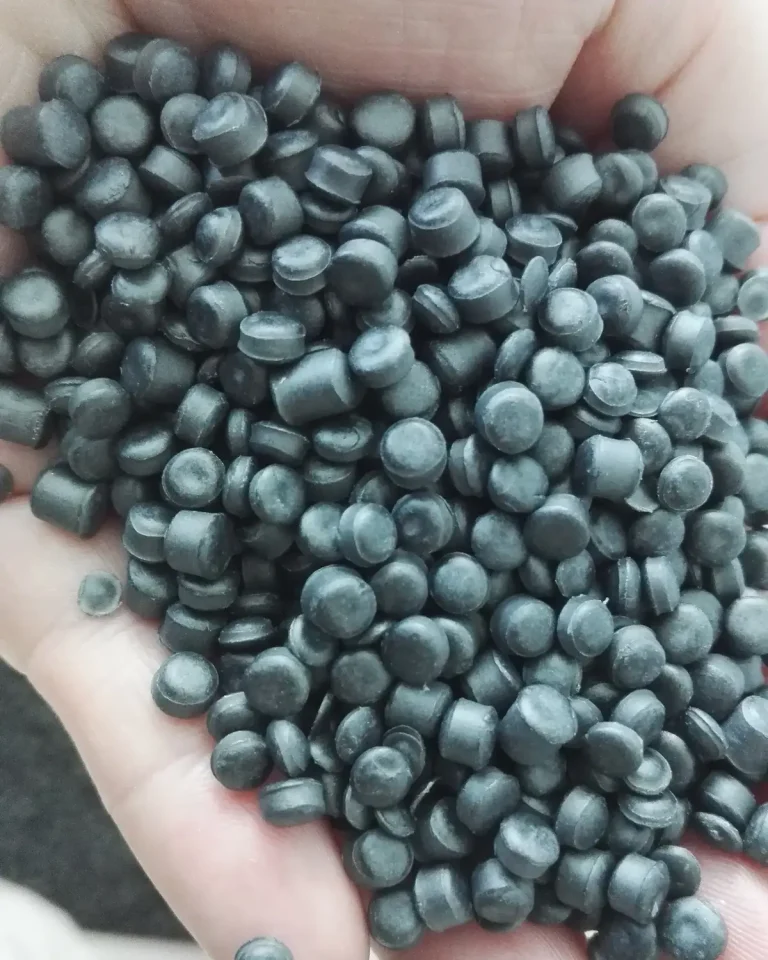
A technical data sheet (TDS) is the first filter when you compare polymer offers. Two grades sold under the same family name can behave very differently on the same extrusion line.
Start with the melt flow index and always check the test condition: 190 °C / 2.16 kg for polyethylene and 230 °C / 2.16 kg for polypropylene. A value measured under a different load is not comparable.
Density tells you where a polyethylene sits between LLDPE and HDPE and correlates with stiffness. Mechanical values such as tensile strength, dart impact and ESCR show how the finished part will perform.
Finally, remember that a TDS shows typical values. What protects you commercially is the certificate of analysis (COA) for the actual lot shipped — ask for it on every order.